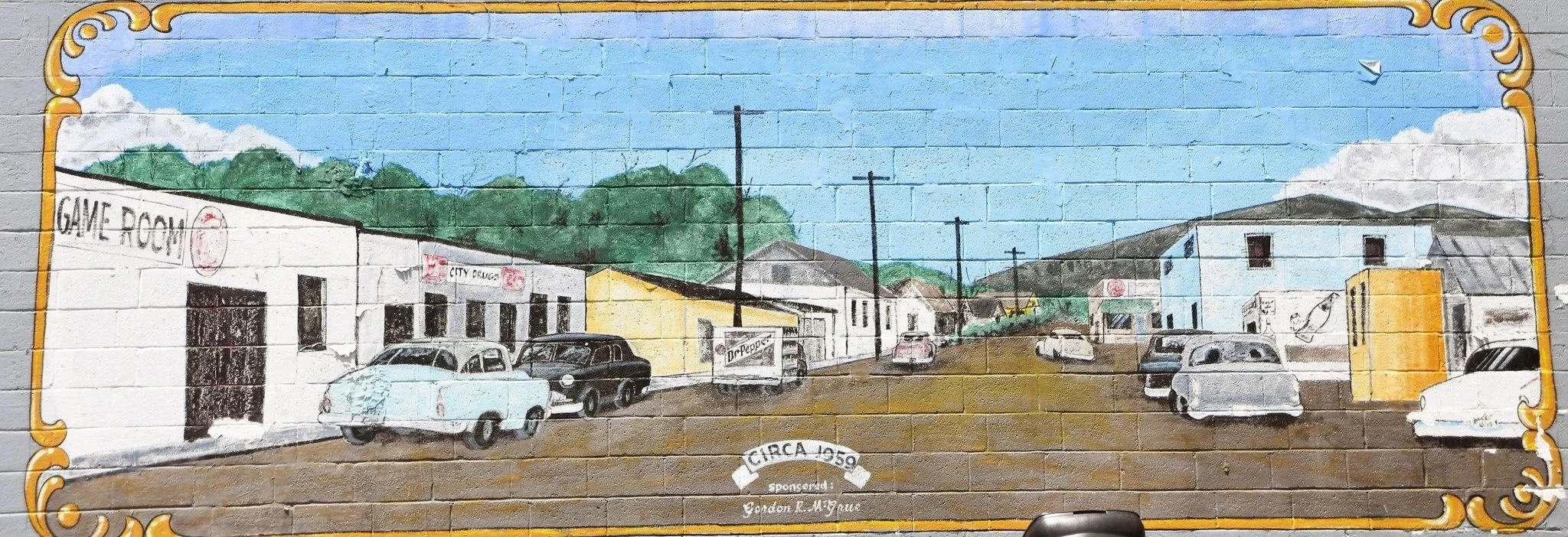
Our Story
Every decision we make is shaped by a clear sense of purpose. Through every step, we've focused on staying true to our values and making space for thoughtful, lasting work.
Hobson City Network is committed to preserving the history of American descendants of chattel slavery, and curricula, with the goal of empowering communities through education, historical engagement, social researchers, and collective action. By offering geographically rich programs, research-driven projects, and community-centered events, we aim to provide the intellectual tools necessary for mobilization, self actualization, and meaningful societal change.
Our goal is to host a platform in which opportunity, learning, and community all thrive together.
Our founder is a proud graduate of Shelton State Community College and Columbia University. More importantly, she is a proud native of Hobson City, Alabama, a community where she was born, raised, and surrounded by family, neighbors, and generations of shared history. With family on every street corner and deep roots throughout the town, Hobson City is not simply where she grew up; it is the community that shaped her values, aspirations, and commitment to service.
While attending Shelton State, she was selected to participate in Representative John Lewis’s Gandhi-King Scholarly Exchange Initiative, a U.S. Department of State program that brings together emerging civic leaders from the United States and India to advance civil rights, social justice, and inclusion. Inspired by the legacies of Mahatma Gandhi and Dr. Martin Luther King Jr., the program explored nonviolent approaches to addressing social challenges and building stronger communities. Participants spent two weeks traveling throughout the American South and two weeks in India studying leadership, civic engagement, and social change.
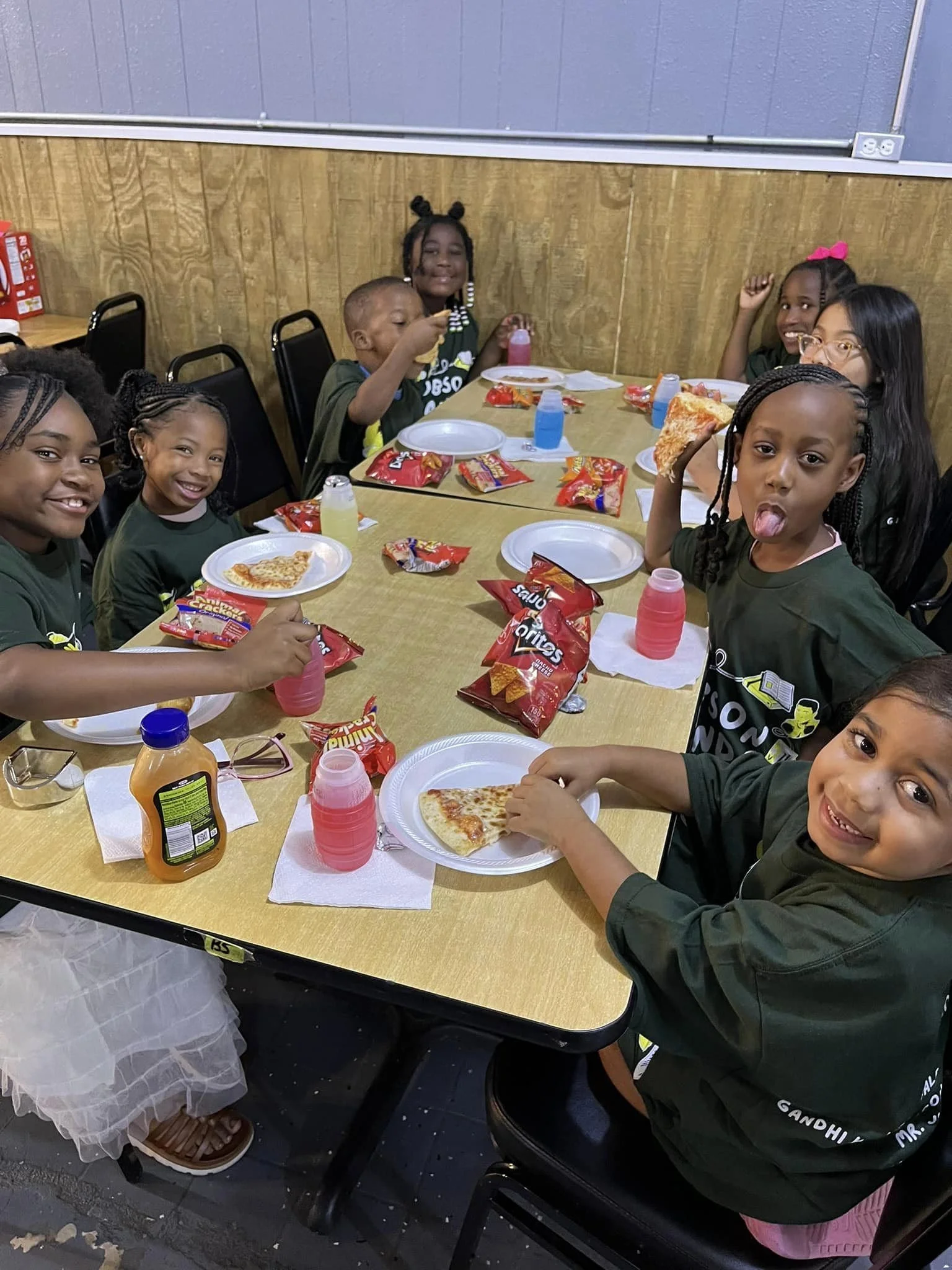
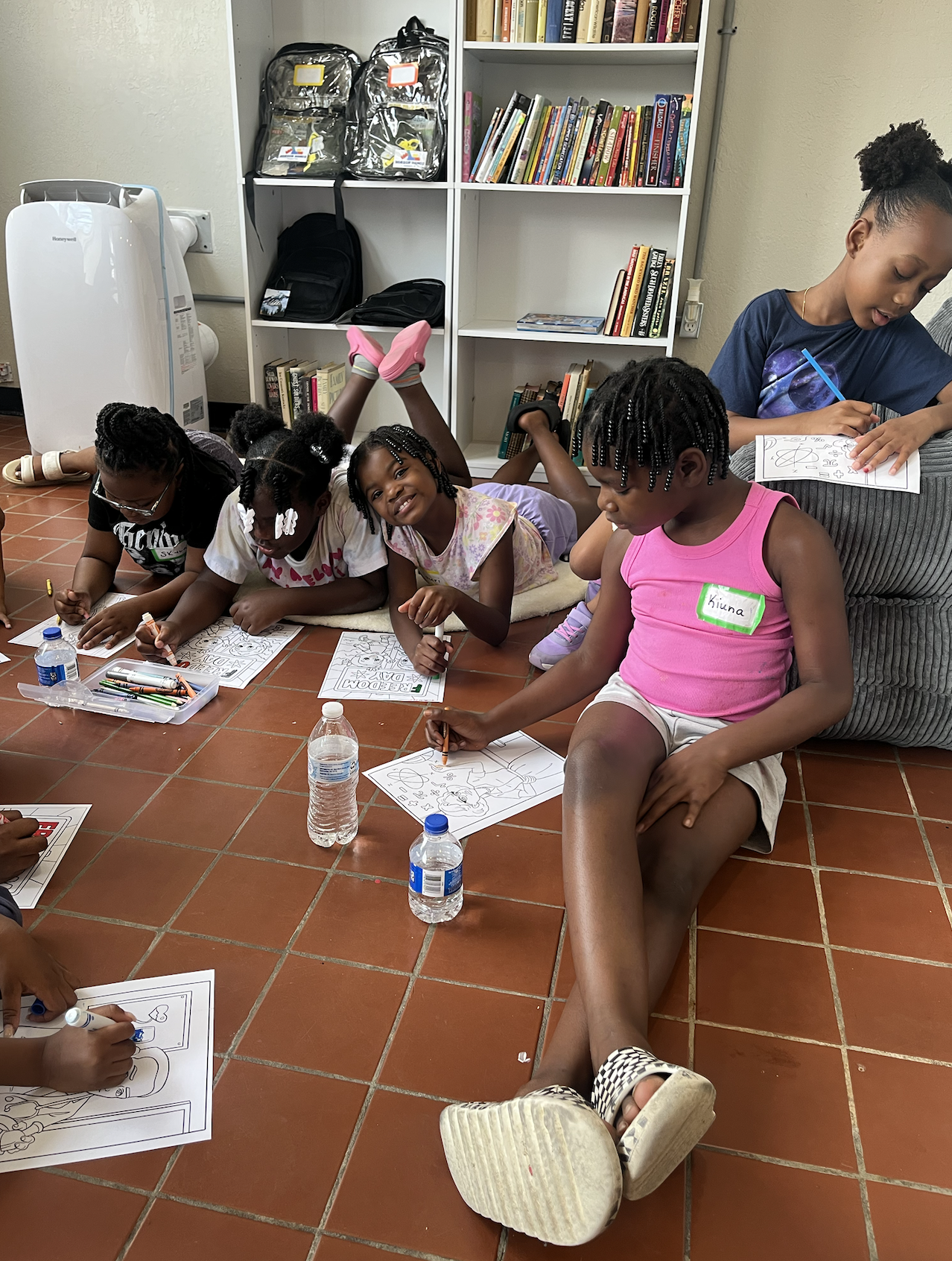
Following the program, participants were able to develop Civic Action Projects to address needs in their home countries. Inspired by her experience, she launched a third-grade summer literacy program for children across Calhoun County that combined reading enrichment with the history and stories of Hobson City. What began as a single summer initiative Hobson City Hands became Hobson City Network.
Today, Hobson City Network continues to provide educational and enrichment opportunities for youth while expanding its work into research, civic engagement, and historical preservation. Through academic articles and partnerships, community programming, and an ever growing archival project, we are committed to preserving the stories of historic Black towns and settlements across the South while investing in the next generation of leaders.
Our mission is simple: honor the past, serve the present, and help build a stronger future for our communities.
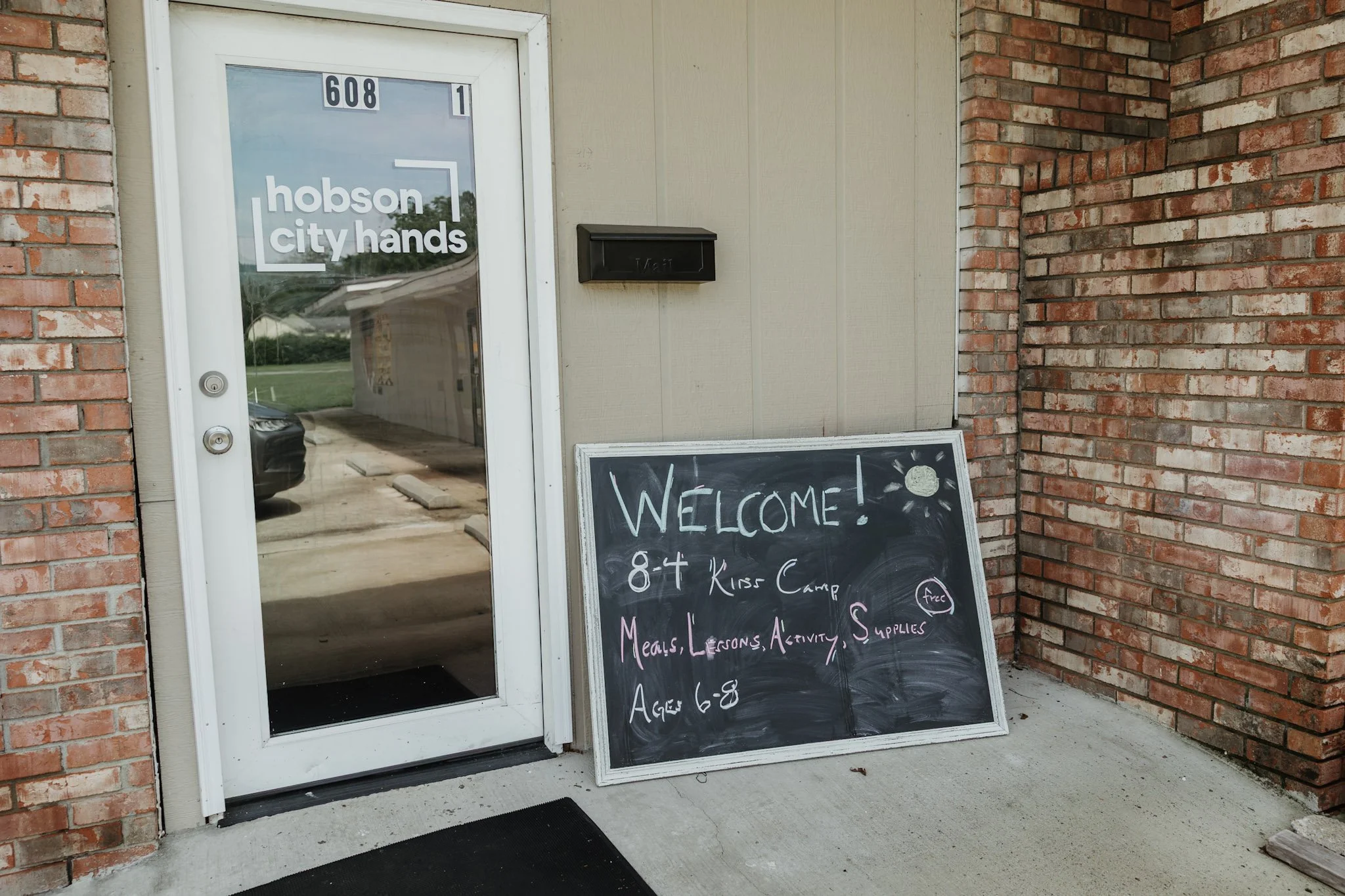
Hobson City, Alabama
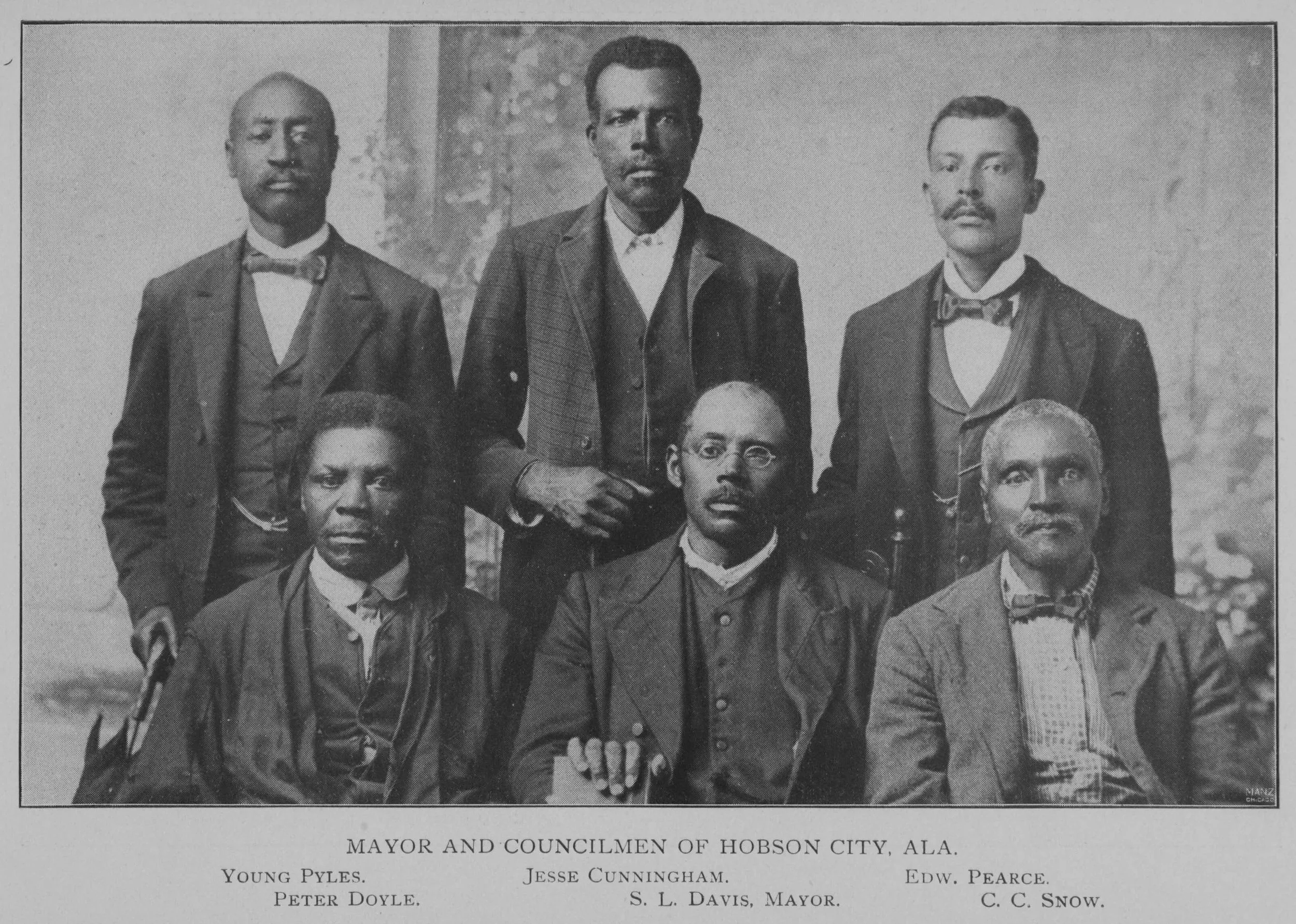
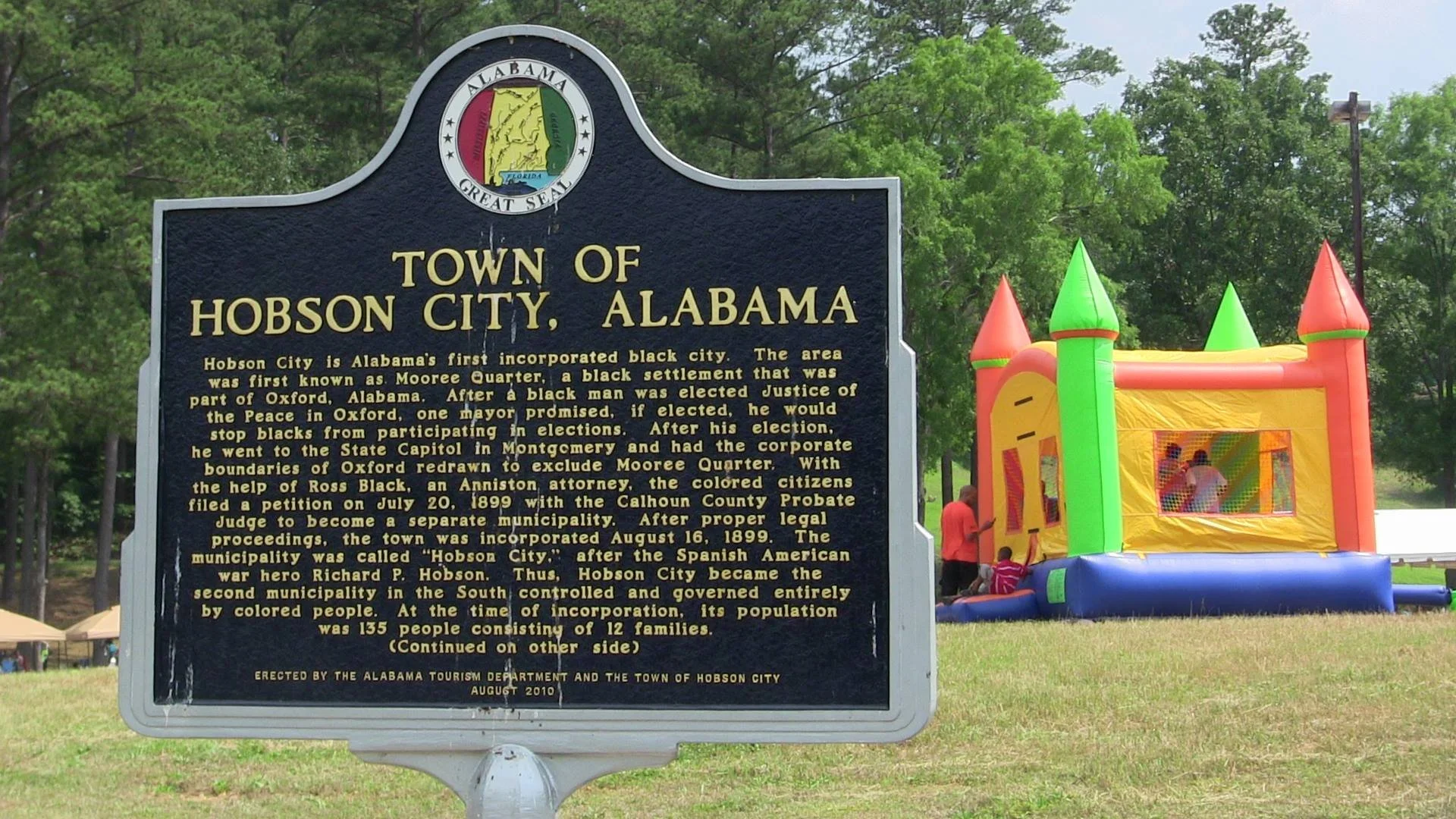
Hobson City is one of the most historically significant Black American municipalities in these United States. Located in Calhoun County adjacent to Oxford and Anniston, Alabama, it was incorporated in 1899 and is recognized as Alabama's first incorporated municipality governed entirely by Black Americans.
The community emerged during the post-Reconstruction era, when many Black Americans in Alabama, encouraged by Booker T. Washington’s ideology, sought opportunities for self-governance, landownership, and economic independence despite growing racial restrictions, including Jim Crow segregation. Hobson City, originally known as Mooree Quarters, was part of Oxford, Alabama until the late 1890s.
According to the 1899 Alabama constitution requirements to vote included being a male at least twenty-one years old, be a United States citizen, a resident of the county they live in for twelve months, able to read and understand the constitution, have been working a steady job for twelve months, own at least forty acres of land and pay taxes, plus other requirements. Twenty men instrumental to the founding of Hobson City qualified to vote under these terms. A Black man was elected Justice of the Peace in Oxford, causing commotion. Politicians then consequently began making promises to stop Blacks from participating in city elections. In the following cycle, the corporate boundaries of Oxford were redrawn, excluding the Black settlement. The area was under county system of government for roughly three years before a committee of citizens took their concerns to an Anniston lawyer by the name of Ross Black. They sought this man because Black attorneys were barred from practicing law in the state at that time. So, Mr. Ross legally assisted the committee of residents in the Mooree Quarters by advising them to incorporate as an independent municipality. Incorporation in 1899 gave Black residents a rare opportunity at the time to exercise local political authority, own and manage municipal institutions, and shape community development autonomously.
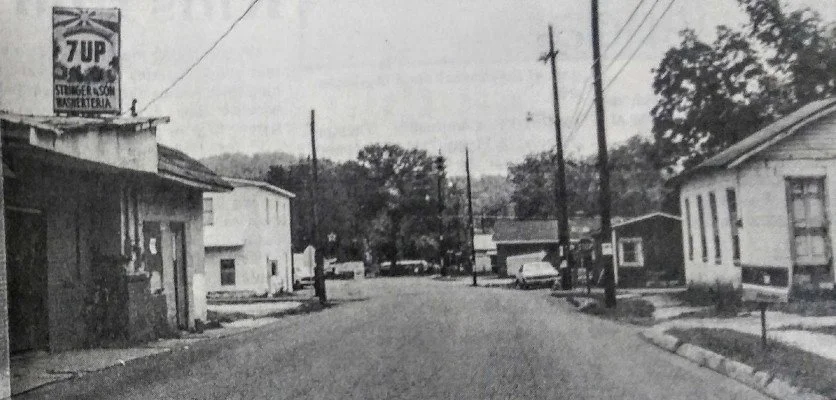
Hobson City and communities like it were created as places where Black Americans could build businesses, schools, churches, and civic institutions with greater insulation from white-supremacy than was available elsewhere under segregation.
Throughout the twentieth century, Hobson City established itself as a home to generations of families who contributed to the economic, cultural, educational, and political life of the region. Despite facing systemic discrimination, limited resources, and economic challenges, residents maintained a strong tradition of civic engagement and community pride; principles that continue today despite region and systemic neglect.
Hobson City, along with Tuskegee, Eatonville, Grambling, and Mound Bayou, is also a member of the Historic Black Towns and Settlements Alliance (HBTSA), a national network dedicated to preserving, protecting, and promoting historically Black towns, settlements, and communities throughout the United States. The Alliance works to support heritage preservation, economic development, historical research, tourism, and collaborative partnerships among these historically significant communities.
Make it stand out.
-
![]()
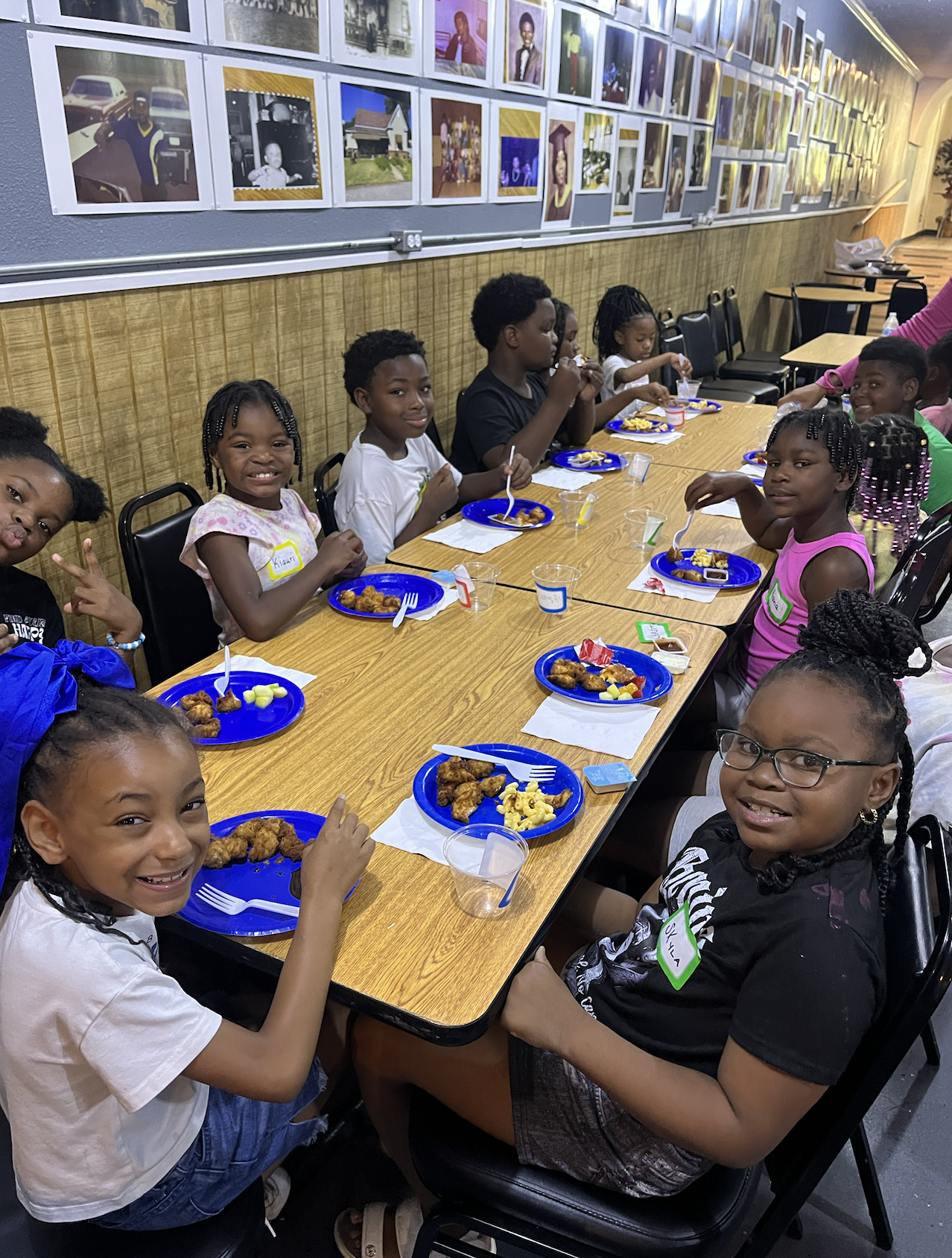
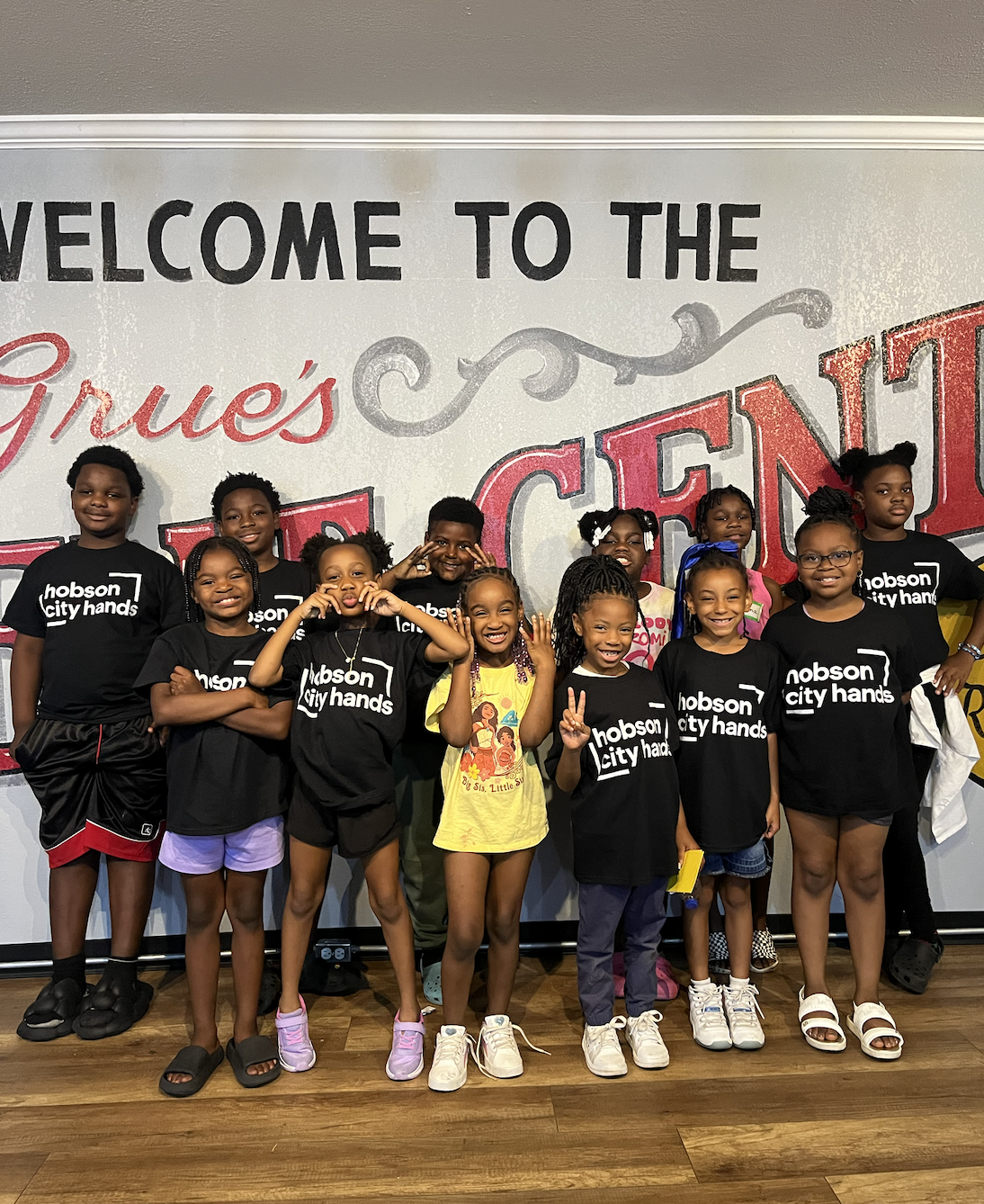
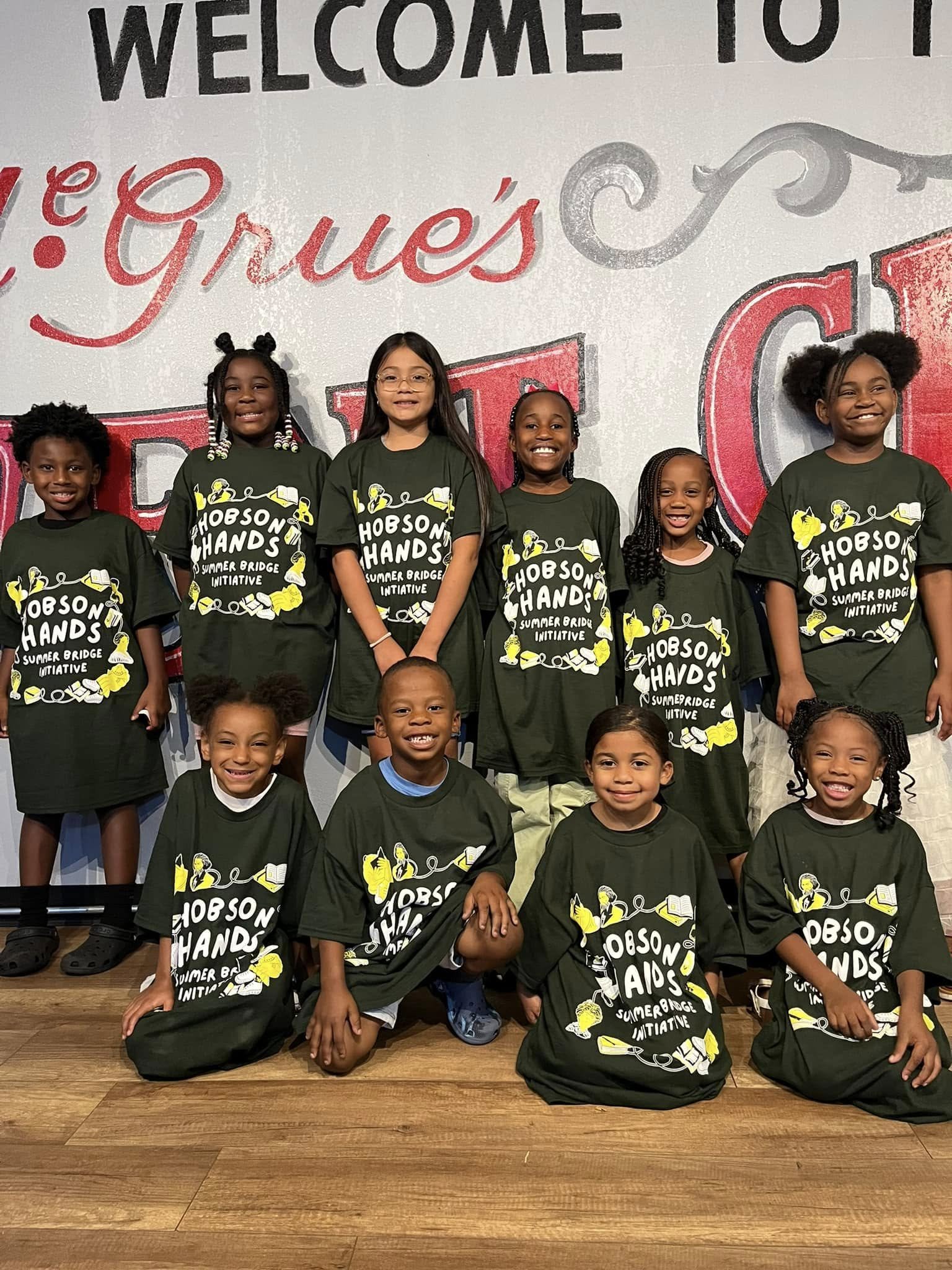
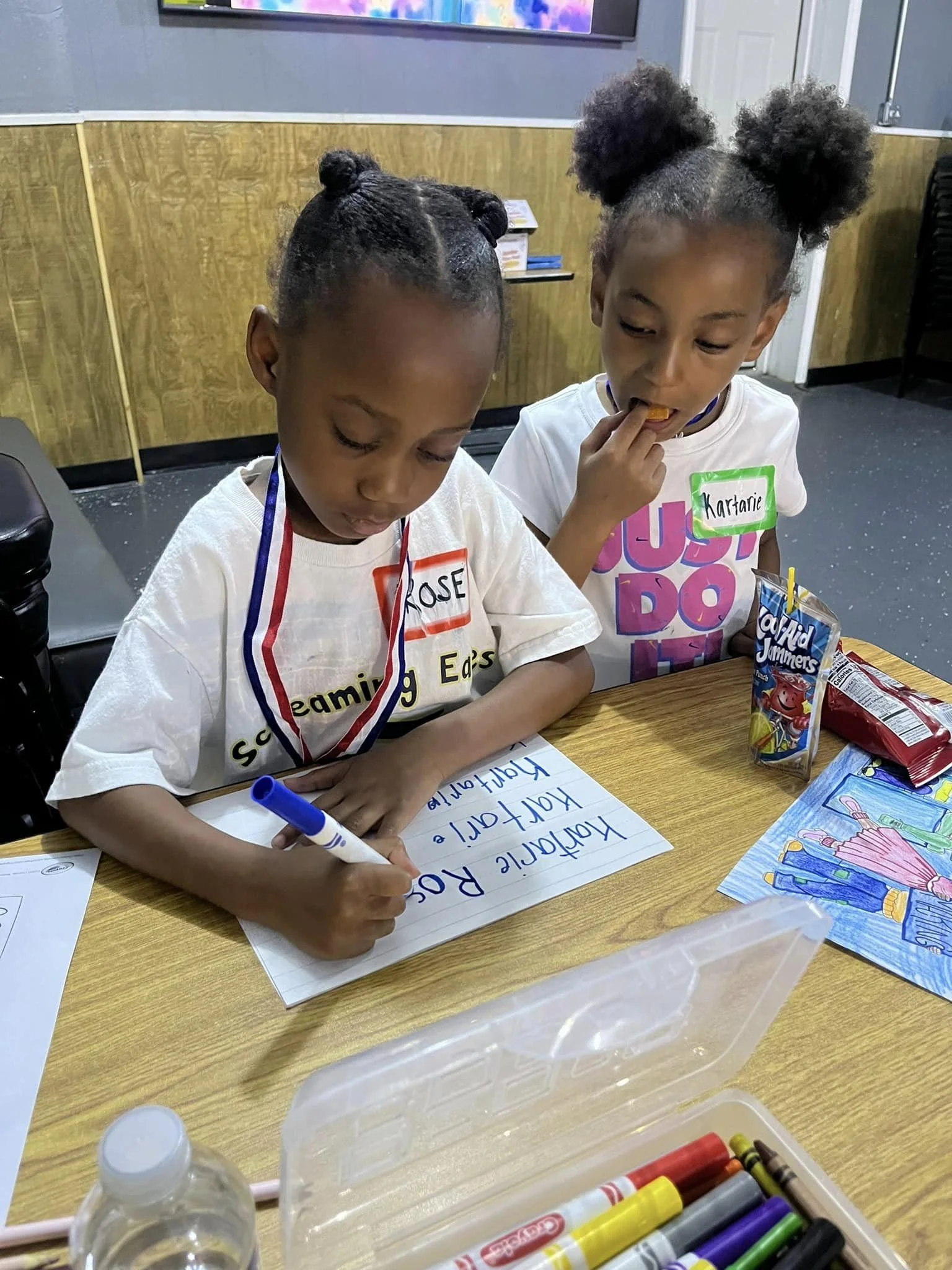
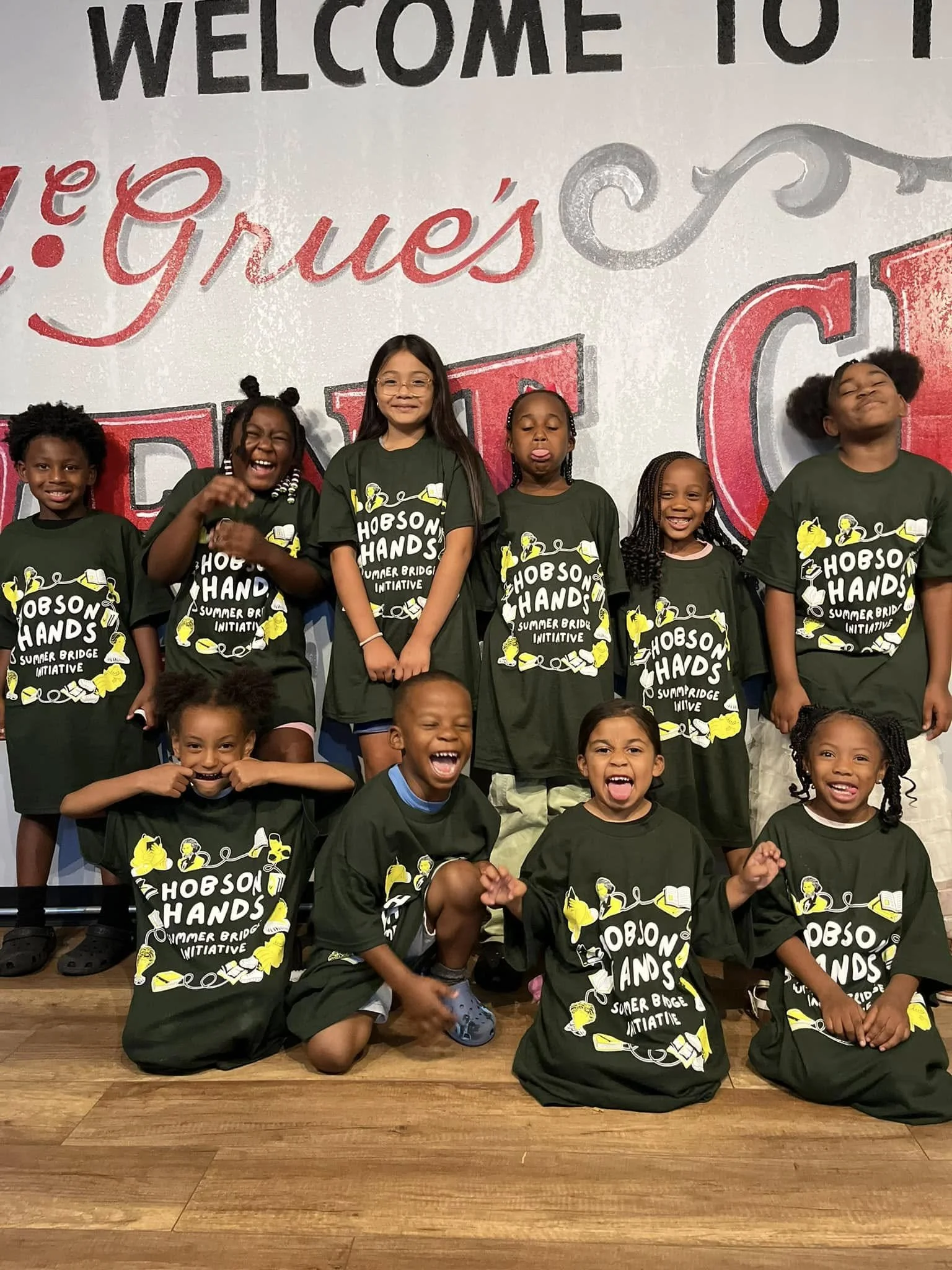
2024 Hobson City Hands Program
-
![]()
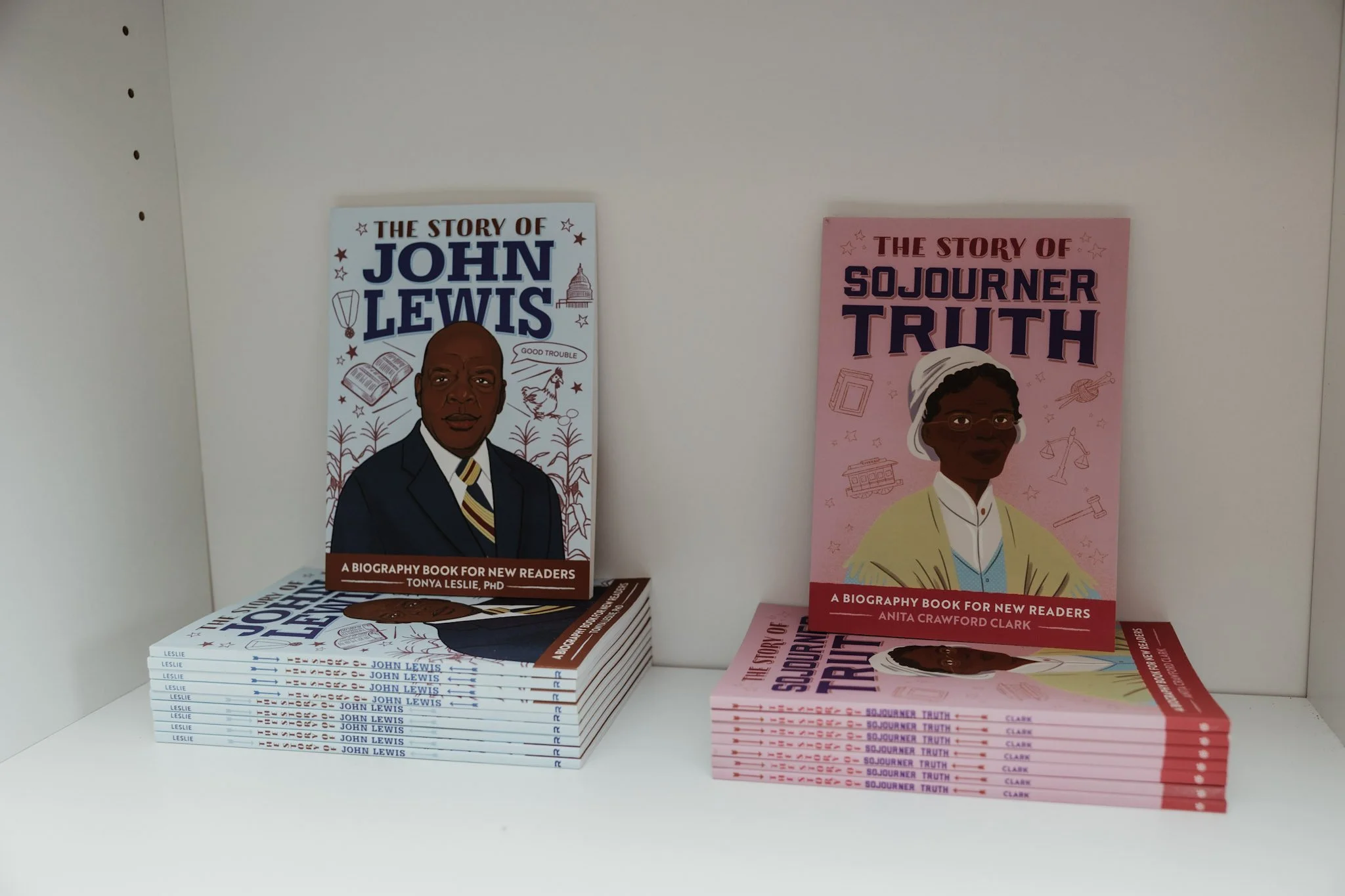
A Children's Book from the Collection
-
![]()
2025 Hobson City Hands Program
-
![]()
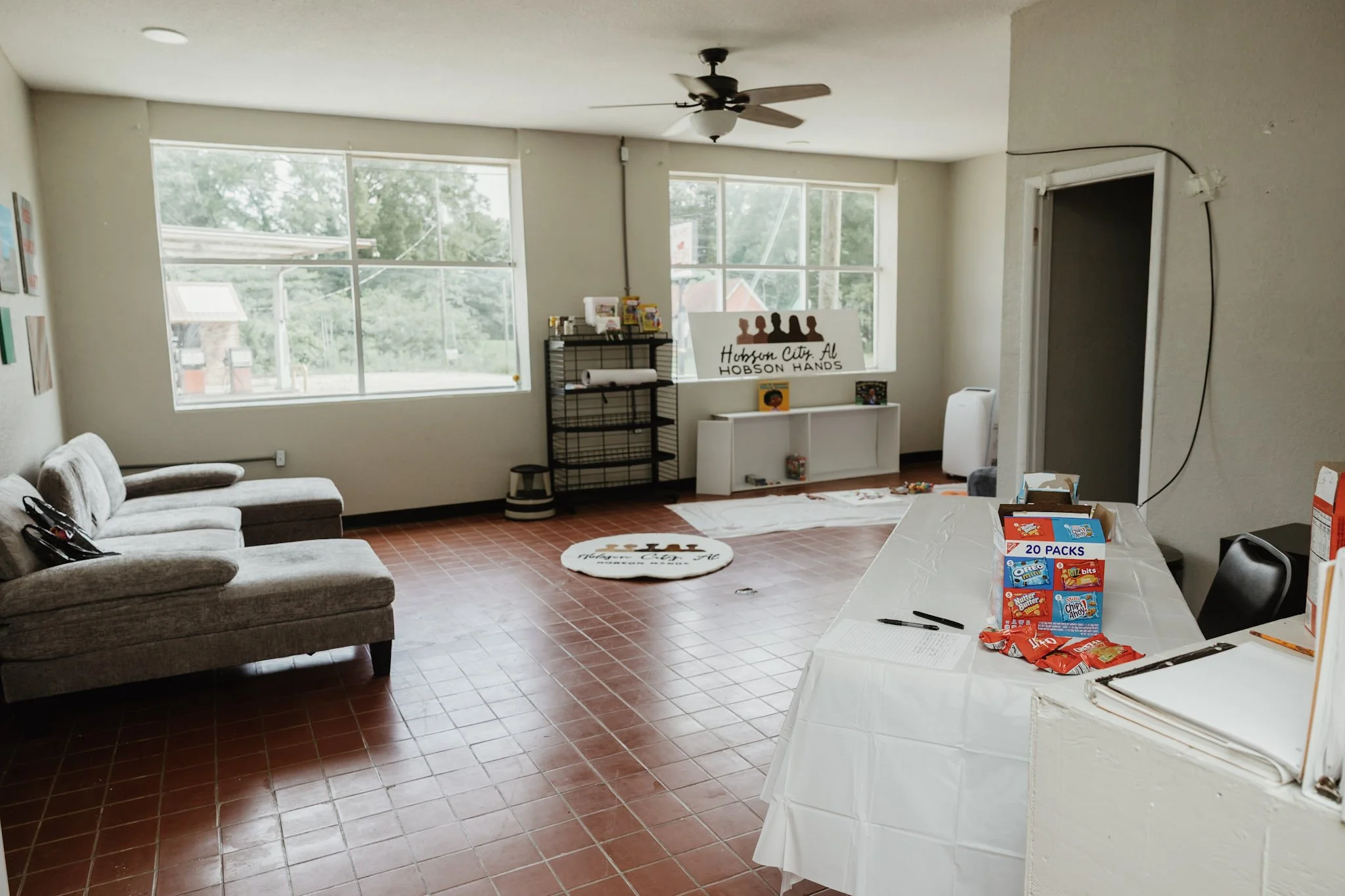
Donated Space in Hobson City, Alabama
-
![]()
2025 Hobson City Hands Program
-
![]()
2025 Hobson City Hands Program
-
![]()
Children's Books from the Collection
-
![]()
2024 Hobson City Hands Program
-
![]()
2024 Hobson City Hands Program
-
![]()
2024 Hobson City Hands Program


Meet the Founder
Kaleah Bailey, AA, BA
Raised by Sharika and Gordon, both lifelong members of the Hobson City, Alabama community, the Ms. Bailey was instilled with a deep appreciation for service, family, and community from an early age. Her parents continue to make meaningful contributions to civic , economic, and community life in Hobson City, and their example helped shape her commitment to preserving and strengthening the places that shaped her. She is also the proud sister of a large and loving family and a devoted aunt to four nephews whom she cherishes like her own.
Her educational journey began at Oxford Elementary and High School before continuing to Shelton State Community College and later Columbia University, where she completed her undergraduate studies. Throughout her academic career, she has been driven by a desire to better understand the world and the systems that influence people's opportunities and lived outcomes.
Her scholarly interests focus on the intersections of law, race, history, political theory, and economic inequality. In particular, she is interested in examining how economic status, racial identity, and historical structures shape lived experiences across geographic location and specific societies. This intellectual curiosity has guided both her academic pursuits and her community work.
As the founder of Hobson City Network, she has worked to connect education, historical preservation, and civic engagement in ways that empower future generations while honoring the legacy of historically significant communities.
She plans to attend law school and continue developing her work as an advocate, scholar, and community leader. Through both her professional and academic pursuits, she remains committed to advancing justice, preserving history, and expanding opportunities for underserved communities.
While many scholars have influenced her, she notes Angela Davis, Kimberle Crenshaw, Robert C. Smith, Eric Foner, Kwame Ture, Huey P. Newton, W. E. B. Du Bois, Homer, Jean-Jacques Rousseau, Thomas Hobbes, Machiavelli, and John Rawls as some of her favorite contributors to academia.
Meet the Board of Directors
-
![]()
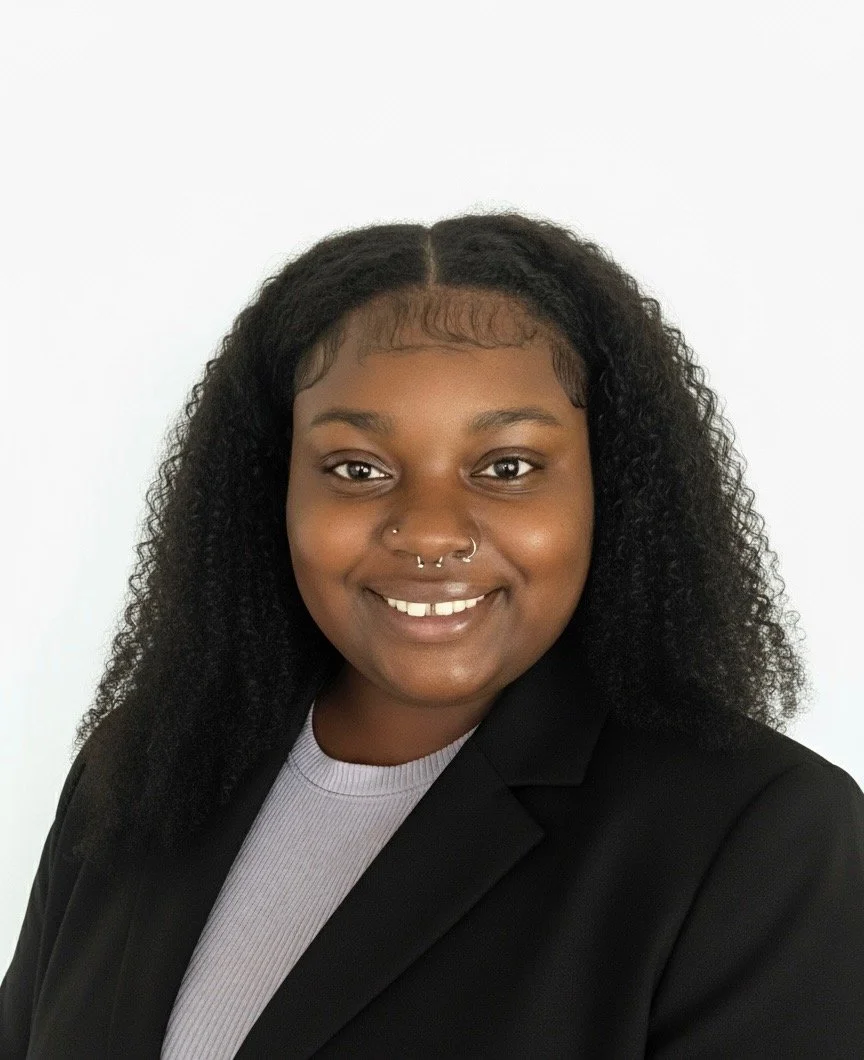
Jeslyne Kelley
SOCIAL COORDINATOR
Raised by Jessica and Corey, Jeslyne Kelley was taught the values of perseverance, compassion, and hard work from an early age. Growing up in Hobson City, Alabama, she learned the importance of staying grounded in family, giving back to her community, and pursuing opportunities that create meaningful and lasting impact. The support and lessons from her parents played a major role in shaping her determination and commitment to personal growth and service.
Jeslyne began her educational journey at Oxford Elementary School and later attended Oxford High School, where she developed a strong academic foundation and a growing interest in healthcare and service. After graduating, she continued her education at Tennessee State University, where she spent two years developing both academically and personally. She later transferred to Albany State University to pursue an Associate of Science degree in Respiratory Care, which she is expected to complete in December 2026. Following graduation, she plans to continue her education by earning a bachelor’s degree in Health Science.
Alongside her academic journey, Jeslyne serves as the Social Coordinator for Hobson City Network in Hobson City, Alabama. In this role, she supports the organization’s digital presence and public outreach by helping develop intentional social media campaigns, increasing engagement, and expanding awareness of the organization’s mission. Her work focuses on strengthening community visibility both locally and online, while also building relationships that can support educational and historical initiatives on campus and beyond. Through this role, she contributes to efforts that preserve the legacy of Hobson City while also helping grow its reach and impact in modern spaces.
Her passion for healthcare is rooted in a genuine desire to serve others during vulnerable moments in their lives. Through her studies in respiratory care, she is developing a strong foundation in patient-centered care and learning the importance of advocacy, compassion, and clinical excellence. She is especially interested in improving access to quality healthcare and supporting underserved communities.
As a first-generation college student, Jeslyne’s journey has been shaped by resilience, adaptation, and determination. Each stage of her academic path has strengthened her character and deepened her commitment to achieving her goals while remaining grounded in her purpose.
Looking ahead, Jeslyne plans to pursue a career as a respiratory therapist while continuing her education and expanding her impact in healthcare. She remains committed to serving her community, advocating for health equity, and building a future rooted in both purpose and service.
At her core, Jeslyne is a dedicated future healthcare professional, community advocate, and determined scholar committed to growth, service, and honoring the legacy of the communities that shaped her.
-
![]()
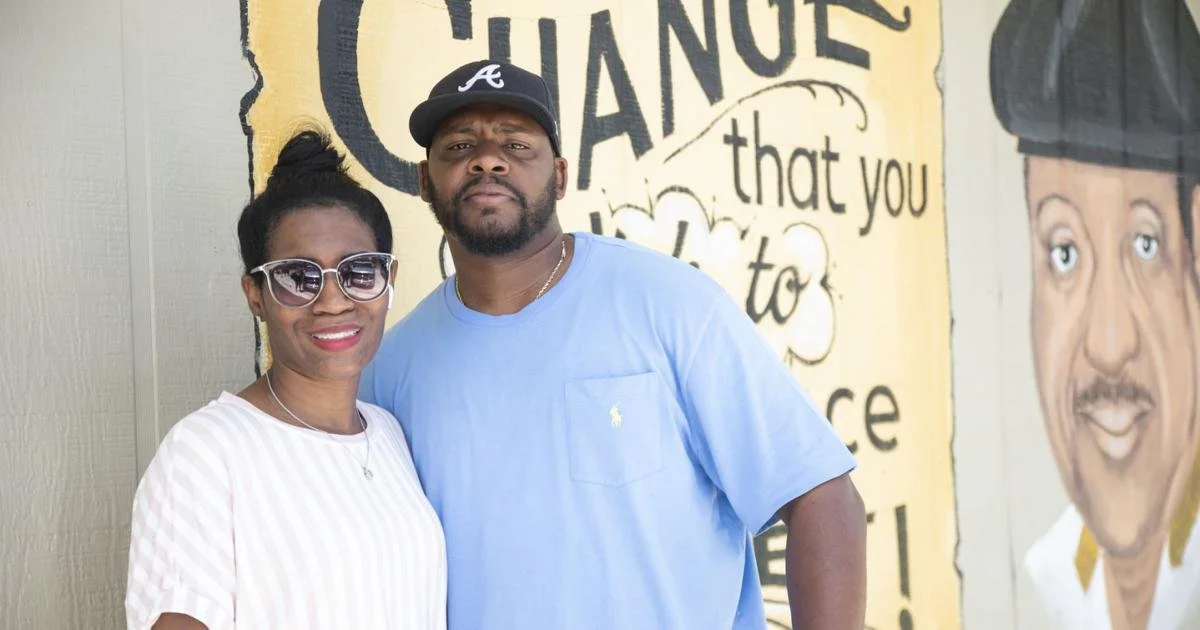
Kelika Bailey Emory
DIRECTOR OF PUBLIC RELATIONS
Kelika Emory is a dedicated community advocate, communications professional, and outreach leader committed to strengthening connections, expanding opportunities, and serving communities through meaningful engagement. As Communications and Outreach Director for the Hobson City Hands Program, she plays a vital role in promoting the organization’s mission, building community partnerships, and ensuring residents have access to valuable programs, resources, and opportunities.Raised with a strong appreciation for service, leadership, and community involvement, Kelika has built her career around helping people navigate important life decisions and connecting individuals with resources that improve their quality of life. Her professional background in real estate and automotive sales has equipped her with exceptional communication, relationship-building, and public engagement skills that she now applies to community development and outreach initiatives.
In her role with the Hobson City Hands Program, Kelika works to increase public awareness, foster community involvement, and amplify the voices of those the organization serves. She is passionate about creating opportunities for collaboration, supporting underserved populations, and helping build stronger, more connected communities through effective communication and outreach.
Kelika believes that lasting change begins with relationships, education, and service. Through her leadership and community involvement, she remains committed to empowering others, strengthening local partnerships, and advancing the mission of the Hobson City Hands Program to create a positive and lasting impact throughout the community.
Kelika is the mother of three sons: the late Austin Emory, Blake Emory, and Camden Emory.
-
![]()
Gordon R. McGrue
DIRECTOR OF COMMUNITY & ECONOMIC DEVELOPMENT
Bio pending….
-
![]()
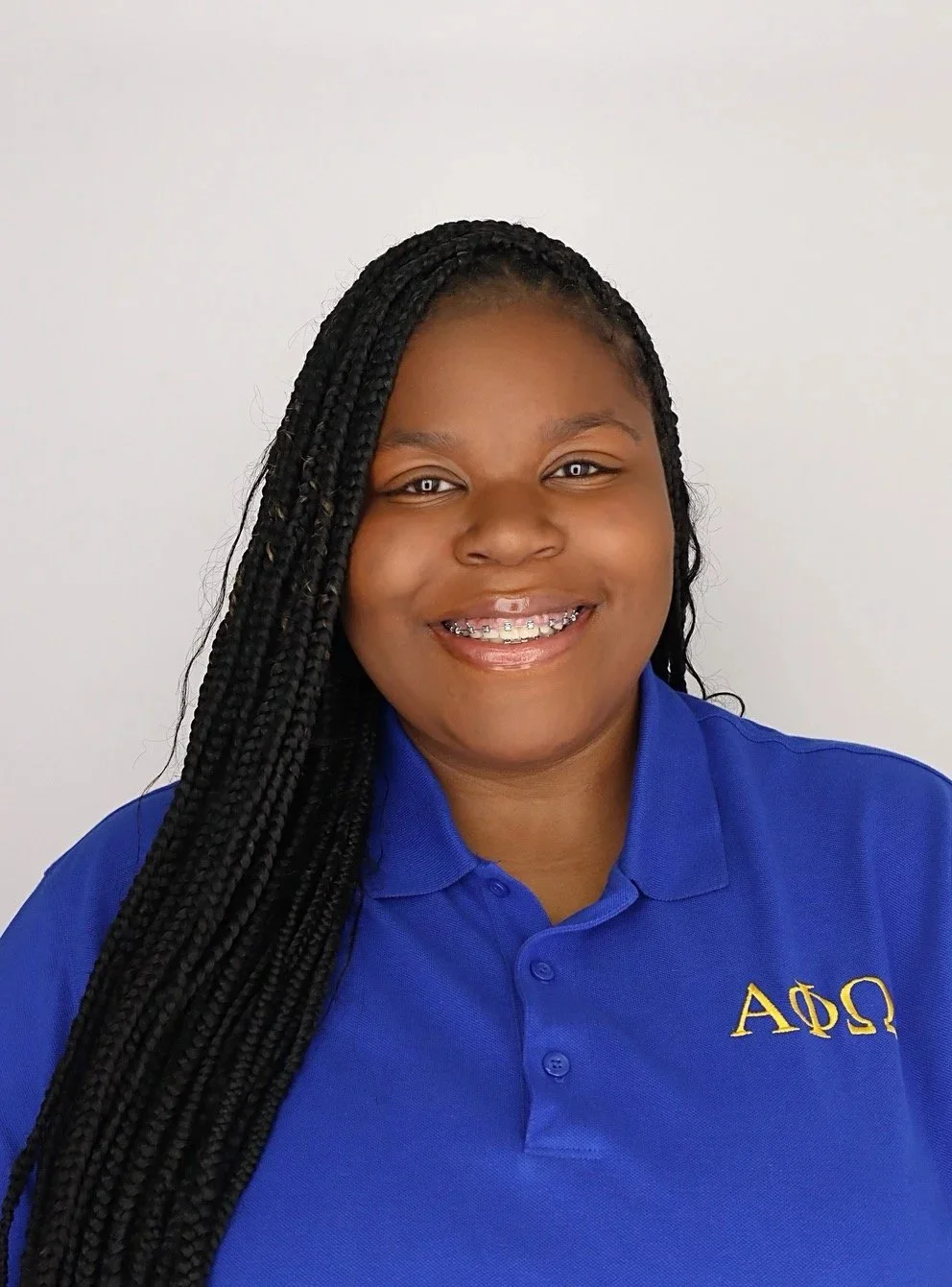
ZaKerria Hawkins
DIRECTOR OF YOUTH DEVELOPMENT
Having been raised by Latoya and Marquice, I was instilled with foundational values centered on community engagement, perseverance, and a profound sense of purpose. Their formative influence significantly contributed to the development of my optimistic and outgoing disposition, fostering a proactive approach to positively impacting my surroundings. This upbringing established a strong basis for my commitment to continuous personal growth and a dedication to making a tangible difference.My academic journey commenced at Oxford High School, culminating in my graduation in 2022. Subsequently, I enrolled at Tennessee State University, where I dedicated two years to expanding my intellectual horizons. I then transitioned to Fort Valley State University, where I am currently pursuing a Bachelor’s degree in Criminal Justice, a discipline that deeply aligns with my dedication to justice and public safety.
Concurrently with my studies, I have actively engaged in youth development initiatives. Since 2023, I have served as a Youth Development Specialist with YES (Youth Encouragement Services), a role that enables me to directly empower young individuals. This experience is further complemented by my position as the Youth Lead for Hobson City Hands, where I contribute to organizing and inspiring community-focused projects. My unwavering commitment to service is additionally reinforced by my membership in Alpha Phi Omega, a national service fraternity that consistently encourages my readiness to assist others.
Looking ahead, my aspirations are driven by a strong desire to serve and protect. I envision a future where I can apply my skills and dedication as a Homicide Detective, contributing to the pursuit of justice. Furthermore, I aspire to establish and lead a non-profit organization, extending my commitment to community betterment through a dedicated platform.
-
![]()
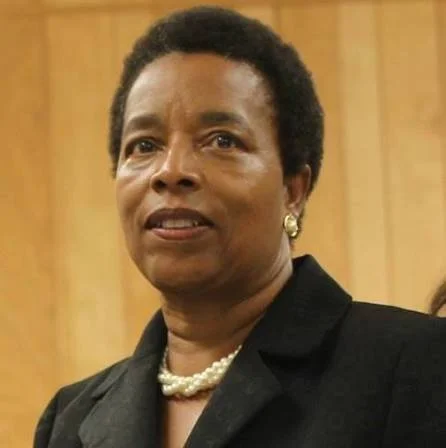
Mayor Alberta McCrory
GOVERNMENT LIAISON
Mayor Alberta Cooley McCrory is a dedicated public servant and community leader who has served as Mayor of the Historic Town of Hobson City, Alabama, for more than two decades. As the leader of Alabama's first incorporated municipality governed by African Americans, she has championed infrastructure improvements, historic preservation, community development, and economic growth while working to preserve Hobson City's unique legacy and cultural heritage. In 2024, Mayor McCrory was recognized nationally with the National Mayor of the Year Award for her commitment and governmental efforts.